



Is there a Difference Between Men's and Women's Bikes?
As bike designers, we often see customers get tripped up by the labels of “men’s” and “women’s” bikes. The truth is, most bikes are functionally unisex. When you strip away the marketing, the actual differences come down to biometrics and frame geometry—specifically, how a bike accommodates different torso lengths, sit-bone widths, and riding postures.
What a rider finds comfortable matters far more than the label on the box. Regardless of gender, finding a smooth ride means matching your unique body proportions to the right reach and saddle shape. Here is a mechanical look at what sets these designs apart and how to use that knowledge to find your perfect fit.
Men’s Bikes vs Women’s Bikes
When we design bikes, we understand that there is no bicycle that can only be ridden by either men or women. The difference mostly comes down to aesthetic styling rather than different functionality, though there may be some difference in comfort levels between opposite extremes of body type.
At their core, both are built from the same main components:
-
Frame materials and strength
-
Gears and drivetrain systems
-
Brakes and wheel sizes
What sets them apart is how they’re presented. We can differentiate this by comparing the following:
-
Frame design and shape
-
Fit and riding position
-
Styling and colour choices
Frame design and shape

Traditionally, men’s bikes used to feature a higher crossbar frame (step-over), while women’s bikes featured step-through frames with a lower top tube.
Our specialism is in vintage-style bikes that look like they could have come straight out of the 19th century. So we know that historically speaking, these designs originated from clothing and modesty norms in the late 1800s.
-
Men wore trousers, so they could easily swing a leg over the high crossbar. This diamond shape is used because it’s the strongest, stiffest, and lightest way to build a frame.
-
A lower or slanted bar is designed so women can mount the bike and ride while wearing long, heavy skirts and dresses without “unladylike” leg-lifting or getting fabric caught.
Today, a higher crossbar frame design is chosen for stiffness and control in men’s bikes. It gives a more rigid structure, which can feel more stable during faster rides or when riding over uneven ground. It’s common on road bikes and sports-focused bikes.
In contrast, a step-through frame makes mounting and dismounting easier, which is still applicable and suitable for women’s bikes. This is also one of the reasons they’re common on leisure and city bikes.
The takeaway: Men’s bikes keep the high bar for speed and strength, while women’s bikes (and increasingly unisex) keep the low bar for comfort and convenience. But in practice, both frame styles can be used by any rider.
Adjusting fit and riding position for different body types
While a frame provides the foundation, the "reach" and "feel" of a bike are highly adjustable. Because human proportions vary—sometimes regardless of gender—manufacturers often design bikes to cater to two anatomical extremes.
The reach of the handlebars can make a difference in comfort between men and women, but they tend to come with the stem length in a standardised range of 70-100mm. Bikes with handlebars further forward tend to be professional racing bikes meant for sitting in a low posture for aerodynamics.
Shorter riders may require less reach for the handlebars, so some bikes marketed towards women may feature a shorter stem to accommodate for this.
We considered this in the design of our women’s bike range, including the Brownie 7 Dutch Bike. Look at how short the stem is on this model, along with the swept-back handlebar style. The bike is designed for comfort. And of course, it’s available for men, too, with an easy adjustment of the saddle height.
When it comes to the saddle, the difference isn't just about "comfort versus speed"—it is a matter of anatomical support.
Most women-specific saddles are designed to be wider at the rear. This accommodates the fact that women generally have wider "sit bones" (the parts of your pelvis that bear your weight when seated). If a saddle is too narrow for your anatomy, your weight shifts from the bones to sensitive soft tissues, which causes discomfort.
However, your riding posture dictates how wide your saddle actually needs to be:
-
The Aerodynamic Tuck: On a road racing bike, the rider is leaned far forward. The pelvis rotates, meaning less weight is on the sit bones. These bikes require narrower saddles to prevent the thighs from chafing against the edges.
-
The Upright Commute: On a Dutch or city bike (like our Bobbin range), you sit almost completely upright. This puts 100% of your seated weight directly down onto your sit bones.
Because our bikes are designed for that relaxed, upright posture, we equip them with wider, sprung saddles right out of the box. The springs help absorb bumps on city streets, while the wider rear ensures proper skeletal support for most riders.
While saddle choice is deeply personal and easily swapped, starting with a design that matches both your pelvic width and your riding posture is the fastest route to a pain-free ride.
The takeaway: Body proportions play a big role here. They vary so widely that a one-size-fits-all gender approach rarely works. Chances are that men and women will adjust the saddle to different heights relative to the handlebars to prevent saddle sores and minimise discomfort.
A woman with a long torso might find a “men’s” bike fits her perfectly, while a man with a shorter reach might feel more at home on a bike marketed toward women.
Styling and colour choices

The bike’s appearance says a lot, but it doesn’t affect its function.
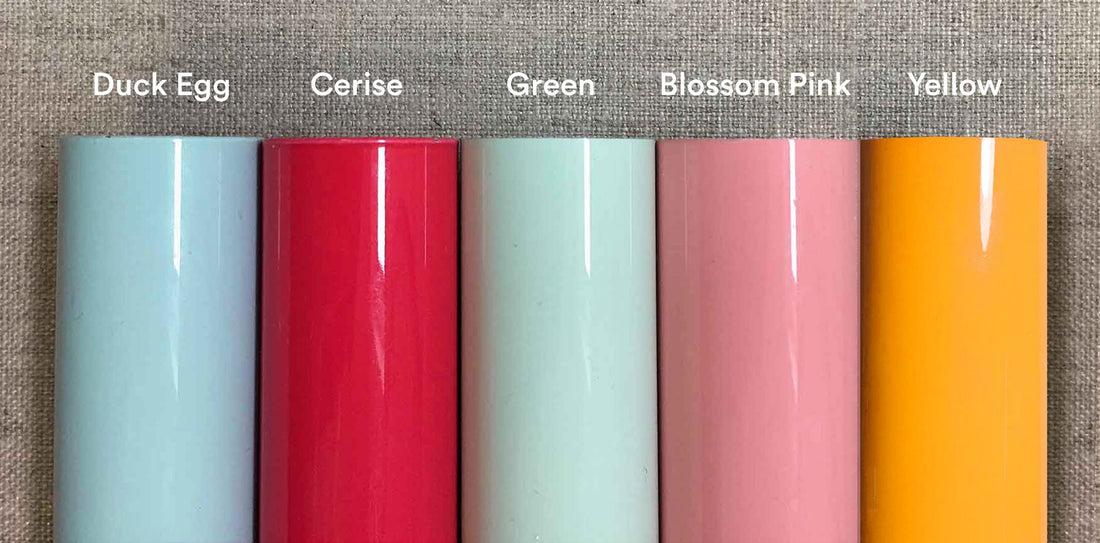
To match the marketing style for women’s bikes, lighter colours or softer finishes (e.g., sunshine yellow and moody blue) are often used. Men’s bikes tend to feature darker or neutral tones (e.g., black), which are often chosen for a more understated or classic appearance.
The takeaway: This is more on the aesthetics side. But in actual use, it comes down to personal preference and has no impact on how the bike performs or rides.
Round-up
There’s no bike that’s only physically suitable to be ridden by women or men. You don’t necessarily need a female bike to get a female fit, or vice versa.
If you find a men’s bike you like, you can swap out the components. For instance:
-
Swapping the saddle for a gender-specific model
-
Changing the stem to a shorter version to reduce the reach
-
Adjusting the handlebar width for better control
Or browse our Bobbin selection of bikes that suit any rider. You might find exactly what you’re looking for without needing to swap anything:
Don’t limit yourself to one section. Test ride both if you can. Whatever you go for, make sure the frame size fits you right. This guide may help: What Size Bike Do I Need?
Related Posts

Can You Use a Mobile Phone While Cycling?
Cycling with a phone in hand is more common than it should be. Some...

Guide to Cycling on Roundabouts
Have you ever hesitated before a roundabout on your bike? If so, we...

Can You Ride a Bike on a Beach?
Beach bike riding sounds dreamy, but you’ll need the right two whee...