


Bike Helmet Buying Guide
A good bike helmet should fit perfectly and be comfortable enough for longer rides. This guide breaks down how to choose the right size, check for the correct safety certifications, and find a style that fits your ride.
Why a Helmet Matters
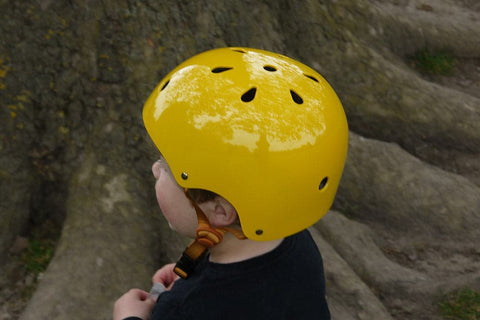
A helmet protects your head if you fall or come off your bike. In an accident, it cushions your head, absorbing much of the impact.
Research has shown that wearing a helmet can significantly reduce the risk of serious head injuries in a crash. For something that takes a few seconds to put on, it’s a simple habit that improves safety.
For a helmet to be effective, it has to fit well and suit the type of riding you do. A toddler riding around the pavement needs a different fit and shape than an adult cycling to work.
How to Find Your Perfect Helmet Size
A helmet that doesn’t fit won’t do its job in a cycling crash. It won’t be comfortable enough to wear, either. To get the maximum amount of protection, the helmet needs to sit level on your head, cover your forehead, and fit without pinching.
Finding your size can take less than two minutes. Here’s how to do it:
-
Use a fabric measuring tape, or a piece of string and a ruler.
-
Wrap the tape or string horizontally around your head, about 2.5cm (1 inch) above your eyebrows. This is the widest part of your head and gives you the most accurate reading.
-
Keep the tape or string level from the front to the back of your head. Note down the measurement in centimetres (cm).
Use your measurement in centimetres to find the right size category using this general chart. Always check the exact measurements listed on the product page you’re viewing, as head shapes differ.
[Sizing table here]
[Read Our Full Helmet Size Guide] [How to Prevent Helmet Hair]
Types of Helmet — And Which One is Right for You
Not every helmet is designed for the same type of riding. For most people cycling in the UK, such as commuting, school runs, or casual rides, a specialist helmet isn’t needed.
Here are the three main types to choose from:
Commuter helmets
Commuter helmets, as the name suggests, are made for everyday riding in towns and cities. They feature a low-profile look, with a more rounded and styled shape. Some may include built-in rear lights or magnetic buckles.
If you’re cycling to work, running errands, or doing the school run, this is likely the style you need. Browse our commuter bike helmets for quality options.
Road helmets
Road helmets are designed for ventilation and lightness, plus a more aerodynamic profile. They suit riders who cover longer distances, including weekend rides, canal paths, or countryside routes, rather than fast racing.
You don’t need to be a serious cyclist to wear one. If you ride regularly and want better ventilation on longer outings, a road or leisure-style helmet is the way to go. See our adult helmets, available in a range of practical designs and colours.
Kids’ helmets
Children’s helmets need the same level of protection as adult helmets, but the fit changes as they grow. Bobbin’s kids’ helmets are grouped by size, based on head measurements:
-
Toddler helmets (XS 48-52 cm): Designed for smaller heads, with extra rear coverage and adjustable straps.
-
Kids’ helmets (S-M 52-58 cm): A step up in size and ventilation, with more attractive colours and designs that, children are more likely to wear.
-
Teen and older riders (M-L 56-62 cm): At this stage, teen riders will fit adult helmets in head size.
Get our full collection here:
Safety Standards Explained: EN 1078 and CPSC

When you are looking for a new helmet, you’ll often see these acronyms stamped on the inside labels:
EN 1078 (or BS EN 1078)
EN 1078 is the European and UK standard for cycling helmets. Helmets sold in the UK are typically tested to this standard, which covers impact protection and retention system performance, including chin straps that reduce the risk of the helmet coming off during impact.
EN 1080 is a related standard for young children’s protective helmets used in activities like climbing and general play. It requires a quick-release buckle that detaches under low load, to prevent strangulation if the strap catches on playground equipment.
CPSC & ASTM
CPSC and ASTM are the strict American safety standards. If a helmet carries these alongside the EN 1078 mark, it means it has been dual-certified to meet both UK and US safety requirements.
This just gives extra reassurance that the helmet has passed a wider set of testing standards across different regions.
Our range of kids’ and adult helmets is safety certified and meets both the BS EN 1078 and CPSC standards.
Bike Helmet Features to Look For

Most helmets include features that affect comfort and day-to-day use, including:
-
Ventilation: This comes in the form of vent holes. Their purpose is to move air through the helmet to reduce heat build-up and the sweaty feeling while you ride. All Bobbin helmets include proper ventilation.
-
Visors: Also known as peaks, they give some protection from the sun, rain, and light debris when worn. You can see this style in our Blue Bike Helmets collection.
-
Removable liners: These are the padding inside the helmet that can be taken out and put back in, depending on the weather. For instance, you can remove or swap the liners to wash them regularly, or keep them in for everyday use, including colder months.
Helmet Colour Choices
Style and colour sit alongside fit and safety when choosing a bike helmet.
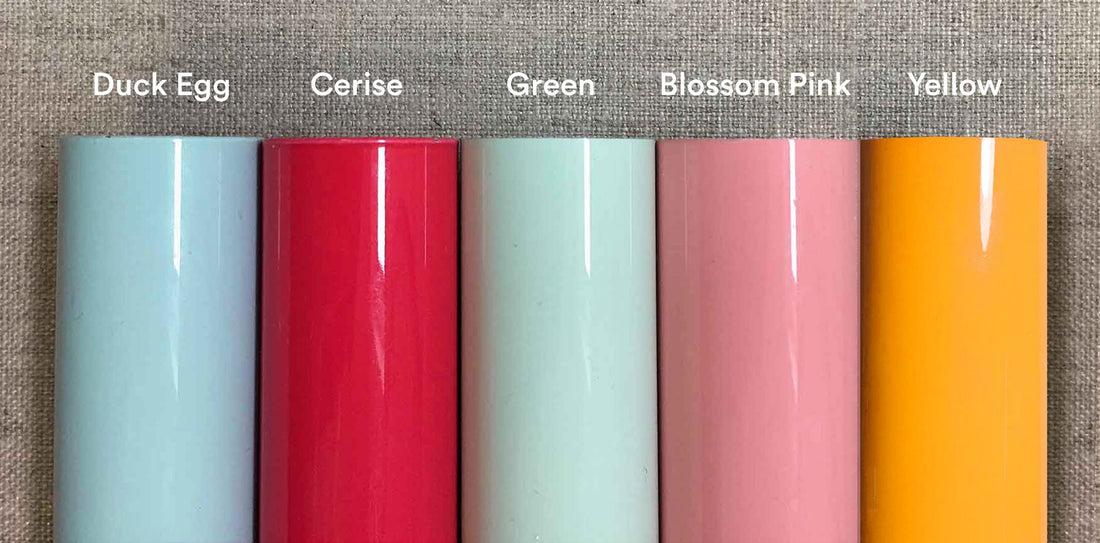
Colour and finish are part of how people narrow down their options. Some riders prefer neutral tones like black bike helmets for everyday use. Others choose brighter colours like vibrant blue, classic pink, fresh green, or bold red bike helmets for better visibility on the road.
Explore more of our Bobbin range by colour:
[Shop Pink Bike Helmets] [Shop Green Bike Helmets]
Round-up
A bike helmet does its job when it fits well, meets the right safety standards, and you actually enjoy wearing it. Get the measurement right, check for the EN 1078 mark, and pick a style you’re happy to put on every time you ride. Browse the full Bobbin range below, or start with our sizing guide if you’re not sure of your fit.
[Browse Adult Helmets] [Browse Kids’ Helmets] [Read the Sizing Guide]
FAQs: Everything Else You Need to Know
When should you replace a bike helmet?
You should replace your bike helmet every 3 to 5 years, or immediately after any accident (even if it looks fine on the outside). The internal protective foam is designed to crush and absorb force once. After a single impact or years of exposure to sweat, heat, and UV rays, it degrades.
How to adjust a helmet for a perfect fit?
Use the rear adjustment dial (if your helmet has one) to tighten or loosen until it feels even around your head. The straps should form a “V” shape just below each ear, with the buckle under your chin.
Once adjusted, move your head side to side and up and down. The helmet should stay without sliding, pinching, or feeling loose.
Related Posts

How to Wheelie on a Bicycle - A Guide for Kids
Wheelies are fun, but they’re also harder than they look—and that’s...

Easy Bike Tricks That Your Kids Can Try Safely
This isn’t a list of wild stunts, but a set of easy bike tricks for...

Guide to Cycling on Roundabouts
Have you ever hesitated before a roundabout on your bike? If so, we...